
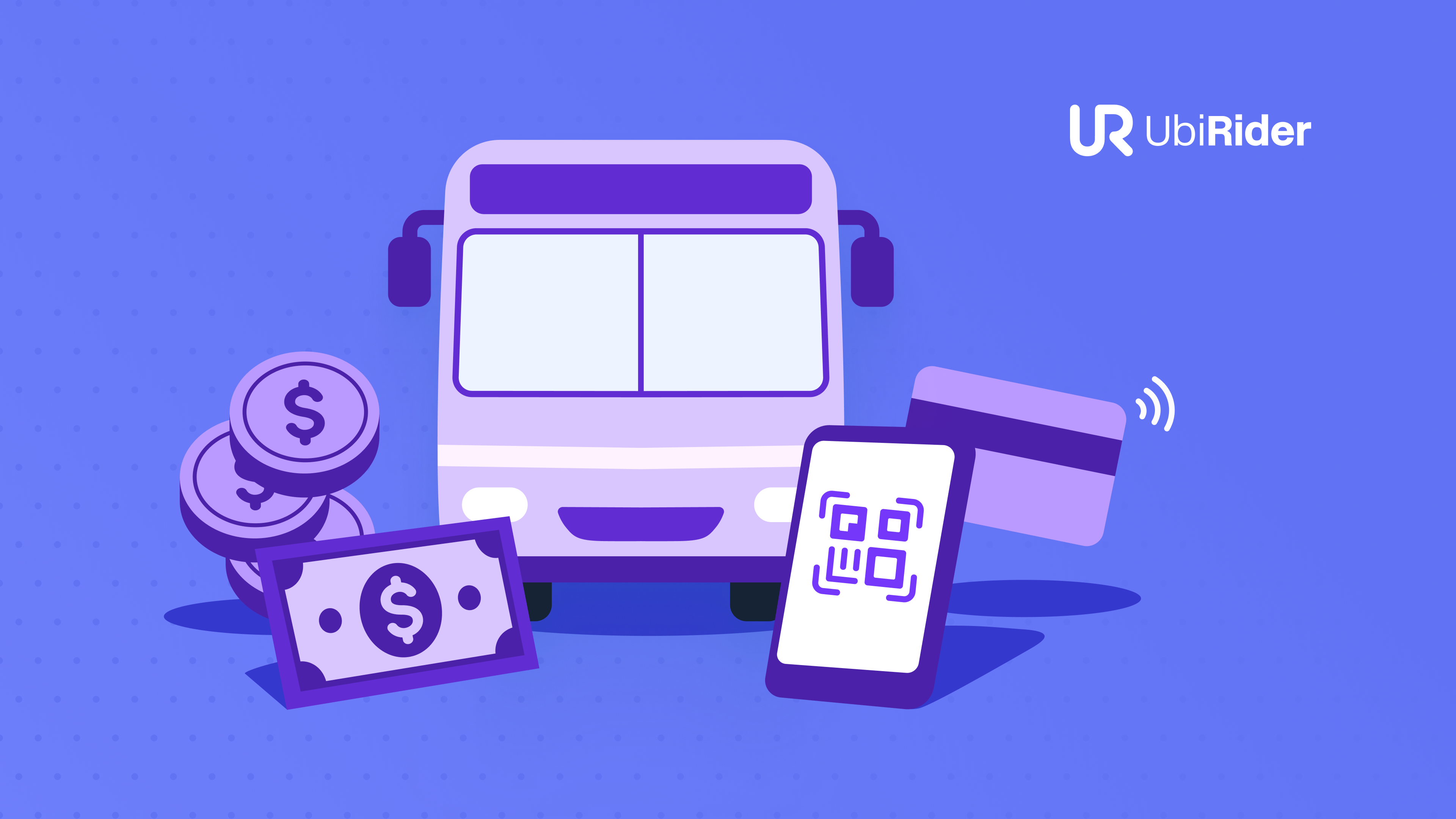
From cash to Contactless — Let passengers pay their way
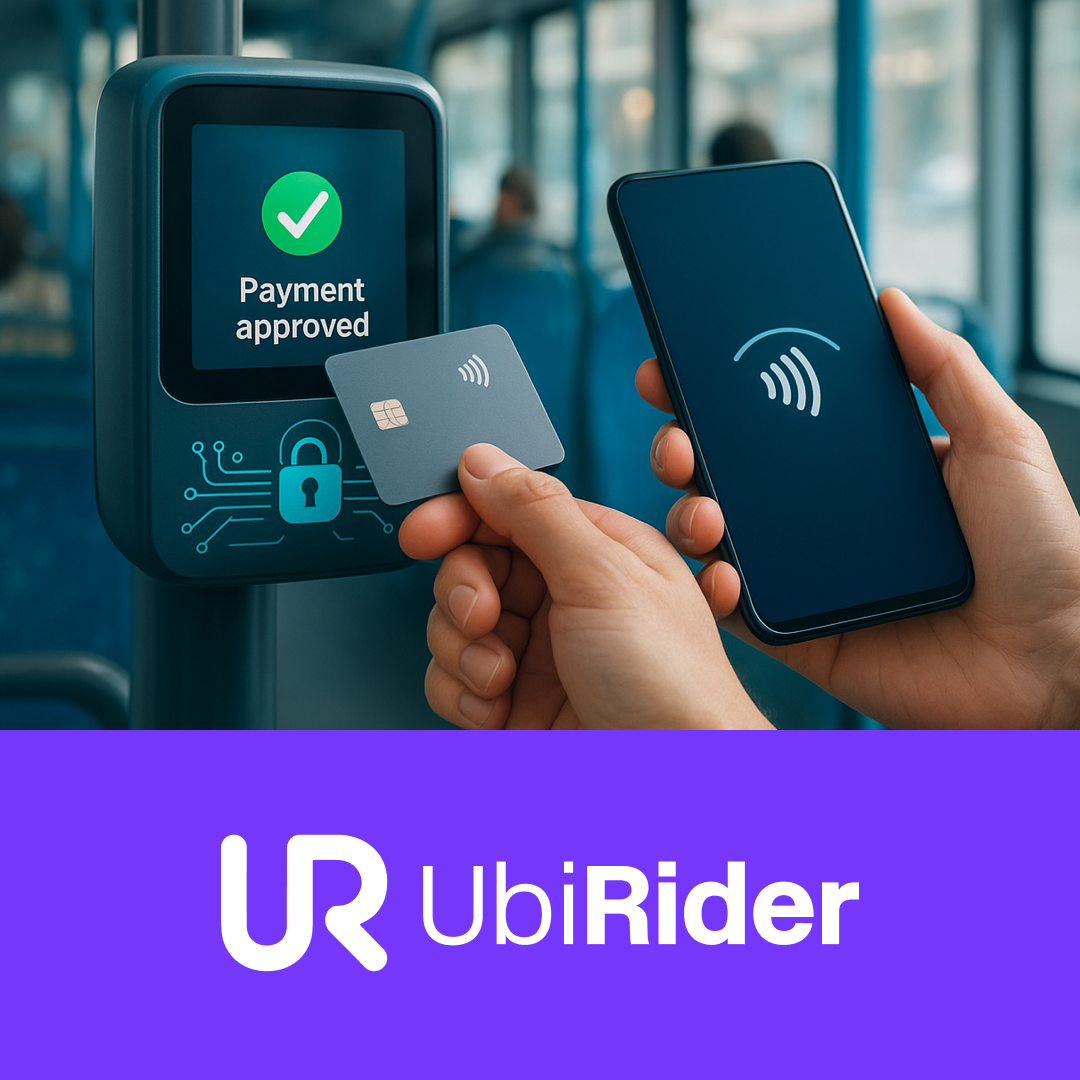
In Britain’s largest cities, paying for transit has become almost effortless. A tap of a card or a flick of a phone is all it takes to board a bus or pass through a turnstile. The UK is one of the most advanced contactless markets in the world. According to UK Finance, more than two-thirds of all debit card payments and nearly 40 percent of all transactions now happen via contactless. In London, Transport for London has set the global benchmark, with millions of daily journeys paid by contactless cards and mobile wallets, rivalling the use of the iconic Oyster card.
Yet the story changes once you leave the metropolitan centres. In towns, villages, and semi-urban corridors, the reality is far more mixed. Smaller operators still rely heavily on cash. For many passengers, particularly older adults, low-income households, or those without reliable internet access, cash is not a fallback—it is the primary way of managing day-to-day expenses. A 2023 UK Finance report even found that while 39 percent of people are now “largely cashless,” a meaningful share still depend on cash as their main way of paying. For these riders, a bus that won’t take coins is more than an inconvenience; it can mean exclusion from mobility altogether.
This tension—between the efficiency of contactless and the inclusivity of cash—frames one of the most important questions in public transport today. How do operators modernize without leaving people behind?
The case for hybrid acceptance
A purely digital system might seem ideal on paper. Boarding is faster, fare evasion is harder, and cash-handling costs fall dramatically. Go-Ahead, one of the UK’s largest bus operators, has seen contactless grow from 16 percent of journeys in 2018 to over 40 percent today. In London, digital has become the norm. But in rural networks, the economics and the demographics look very different. Removing cash entirely risks stranding riders who either cannot or will not shift to digital.
That’s why hybrid acceptance—supporting cash, card, and mobile together—is emerging as the most pragmatic and equitable approach. It ensures that no passenger is excluded, while still allowing operators to benefit from the speed, data, and security of modern payment methods. Hybrid acceptance acknowledges a simple truth: passengers are not a monolith. Some want to tap; others need to pay with coins; still others may find a QR code or mobile wallet the most convenient option.
When operators give riders choice, ridership itself benefits. People are more likely to use public transport if they know they won’t be embarrassed at the door or forced to walk because of how they prefer to pay. A hybrid system also builds resilience. If a card terminal goes offline, cash can still be accepted. If a rider’s wallet is empty, a mobile QR code can bridge the gap. It’s about designing for reality, not for ideals.
Lessons from the field
Across the UK, examples of this balance are already visible. Cornwall’s “Tap & Cap” scheme allows riders to pay contactlessly with automatic daily and weekly fare caps, but many buses in the region continue to accept cash. This approach has given passengers confidence that modernization won’t shut the door on them.
On the other hand, several systems that rushed to remove cash during the pandemic faced backlash. Community advocates and even parliamentary committees warned that going “cashless by decree” risked excluding the elderly, the underbanked, and those in rural communities where connectivity is patchy. Some of those operators later reintroduced hybrid options. The lesson is clear: innovation cannot come at the cost of inclusion.
The operator’s dilemma
For large urban operators, the business case for contactless is straightforward. With thousands of daily riders, the return on investment for hardware, software, and data infrastructure is strong. For smaller or mid-sized fleets, the calculation is harder. Outfitting every vehicle with new terminals can be prohibitively expensive, and the ongoing costs of maintenance and connectivity can quickly erode margins.
At the same time, the risks of standing still are real. Riders expect the convenience they see in big cities. Competing for passengers without offering modern payment options is becoming increasingly difficult. Smaller operators, then, need a way to provide “big city” experiences without bearing the full cost or complexity.
A platform approach
This is where platforms like UbiRider come in. Designed with modularity and scalability in mind, they allow operators to layer payment options—cash, contactless cards, QR codes, mobile wallets—at their own pace. The complexity of reconciliation, data integration, and fare capping is handled in the background, so even the smallest operator can give riders a seamless experience.
Crucially, these systems are built for the realities of rural and semi-urban transport. Devices can work offline or in degraded mode until connectivity resumes. Fare rules are applied consistently, regardless of whether a rider taps or pays with coins. All transactions flow into a unified reporting layer, giving operators a complete picture of ridership and revenue in a way that was once only possible for the largest city authorities.
This model reflects a different philosophy about modernisation. It’s not about forcing change; it’s about enabling flexibility. Operators can start with cash and QR codes, then add EMV acceptance later, migrating at a pace that fits their budgets and their communities. The goal isn’t to chase technology for its own sake—it’s to ensure passengers feel empowered to travel.
Beyond technology: building trust
Payments are never just about money. They are about trust, fairness, and the social contract between riders and operators. When passengers know they can pay their way—however they choose—they are more likely to board, more likely to return, and more likely to view transit as a reliable part of their lives.
This trust also matters politically. Policymakers and regulators are increasingly focused on financial inclusion. The Treasury Committee has flagged the dangers of a “dash from cash” that leaves vulnerable citizens excluded. Operators who can demonstrate that their systems are both modern and inclusive position themselves as partners in that broader social mission.
And from a business standpoint, choice protects revenue. In a world where every journey matters, losing even a small slice of potential riders to payment friction is a cost no operator can afford.
From cash to Contactless—and everything in between
The evolution of transit payments in the UK is not a straight line from coins to cards to mobile. It is a web of overlapping needs and technologies, shaped by geography, demography, and culture. For some passengers, a tap will always be the default. For others, coins will remain the anchor. And for many—especially younger riders—QR codes and mobile wallets will become the habit of choice.
The role of the operator is not to pick a winner, but to embrace plurality. Hybrid acceptance is not a compromise; it is a strategy of resilience and inclusion. By allowing passengers to pay their way, operators strengthen ridership, reinforce trust, and future-proof their services.
London may have shown the world how to make contactless work at scale. The next challenge is showing how to make hybrid work everywhere else. Platforms like UbiRider are proving that even operators with a single bus can offer a rider experience that feels every bit as modern as London’s—while still keeping the coin slot open for those who need it.
That is the real story of transit payments in the UK: not a dash from cash, not a blind embrace of digital, but a steady, thoughtful progression toward systems that are inclusive, flexible, and human. From cash to contactless and everything in between, the future of public transport will be built on letting passengers pay their way.









.png)
.png)


.png)


.png)